
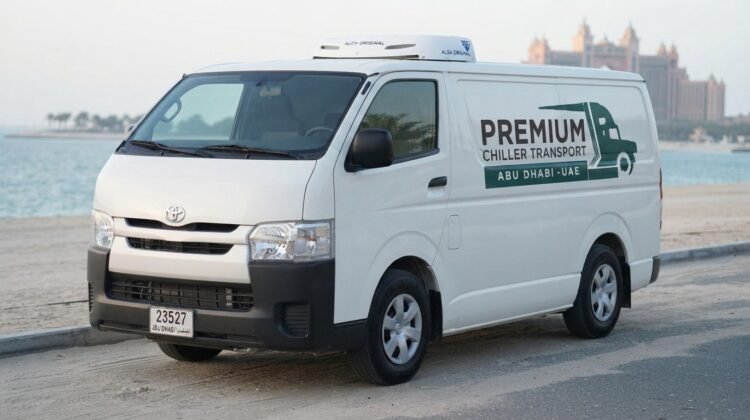
Rent vs buy a refrigerated van
Rent vs buy a refrigerated van in the UAE
Buying a refrigerated van looks cheaper on a spreadsheet and often isn’t. Here’s the honest cost comparison, including the parts of ownership that don’t show up until later.
Table of Contents
It’s one of the most common questions a growing UAE food or distribution business faces: do we buy our own refrigerated van, or keep renting? The purchase price is easy to see, so buying can look like the obvious long-run saving. The trouble is that a refrigerated van has a whole layer of costs that don’t appear until you own one — and in this climate, they bite harder than most people expect.
A refrigerated van isn’t a normal vehicle
An ordinary van is an engine, wheels and a box. A refrigerated van is all that plus a refrigeration unit that works brutally hard in UAE heat, pulling a hold down against 45 °C ambient, day after day. That unit needs specialist servicing, it can fail, and when it fails your van isn’t just off the road — your deliveries stop. Owning one means taking on that risk. It’s why the rent-vs-buy sum here isn’t the same as for a regular vehicle.
The true cost of buying
Buying commits you to far more than the sticker price. The full picture includes:
- Capital up front — cash tied up in a depreciating asset instead of working in your business.
- Insurance and registration — recurring, and higher for a specialist vehicle.
- Servicing the fridge unit — not optional, not cheap, and more frequent given the heat.
- Downtime — when the unit needs work, you have no van and no deliveries unless you’ve arranged cover.
- Depreciation — the asset loses value every year whether it’s busy or idle.
- Resale risk — when your needs change, you have to sell a used refrigerated van to change your fleet.
None of that is a reason never to buy, but it’s the real number, and it’s a lot bigger than the purchase price alone.
What renting actually covers
Renting converts most of that list into a single predictable figure. On a monthly or long-term contract, servicing is handled, a replacement van keeps you running if a unit needs work, there’s no capital locked up, no depreciation on your books, and no resale headache when your needs change. You scale the fleet up for a busy season and back down after, without buying or selling a thing.
The uptime point is the real one
For most cold-chain businesses, the deciding factor isn’t the monthly cost it’s what happens the day a fridge unit fails. Own the van, and that’s your emergency. Rent it on contract, and a replacement turns up so your deliveries never stop. In a business where a missed delivery can lose a client, that guarantee is often worth more than the sticker-price saving of owning.
Rent vs buy, side by side
| Rent | Buy | |
|---|---|---|
| Up-front cost | Low no capital tied up | High full purchase price |
| Maintenance | Handled by provider | Your responsibility & cost |
| Downtime cover | Replacement van provided | Your problem to solve |
| Depreciation | Not on your books | You absorb it |
| Flexibility | Scale up/down freely | Must buy or sell to change |
| Best for | Most businesses have variable or growing needs | Very high, stable, permanent usage |
When buying does make sense
Renting isn’t always the answer buying can be right when the usage is heavy, stable and permanent, and you have the appetite to run the maintenance and downtime yourself. If a van runs hard every single day for years on a fixed route, you have in-house mechanics or a service arrangement, and the capital isn’t needed elsewhere, ownership can work out. The key word is stable: buying punishes businesses whose needs change and rewards those whose needs genuinely don’t.
How to decide
A quick way to sort it:
- Variable, seasonal or growing needs? Rent — flexibility is worth more than ownership.
- Testing a new route or market? Rent — don’t buy an asset for an unproven line.
- Need predictable budgeting and guaranteed uptime? Rent on a long-term contract.
- Rock-steady, heavy, permanent usage with in-house maintenance? Buying may pay off — run the full-cost sum, not just the purchase price.
For a sense of the rental side of the sum, see our chiller van rental cost guide. And if you want to compare specific vehicles, our fleet page lays out the sizes and specs.
Rent vs buy, in short
- A refrigerated van carries hidden costs servicing, downtime, depreciation, resale that the purchase price hides.
- Renting turns all of that into one predictable figure, with uptime cover built in.
- Rent for variable, seasonal, growing, or unproven needs; buy only for heavy, stable, permanent usage.
- The day a fridge unit fails is usually what makes the decision.
Related services & guides
The rental options that replace ownership and the numbers behind them.
- Long-term / corporateDedicated fleet, fixed price
- Monthly rentalFlexible, serviced hire
- Our fleetSizes & specs
- Cost guideWhat renting costs
- Refrigerated van hubThe full range
- Pricing & quoteGet a number
Weighing rent against buy?
Tell us your usage and we’ll show you what a monthly or long-term contract looks like — servicing and uptime cover included, no capital tied up.
Rent vs buy a refrigerated van — FAQ
Is it cheaper to rent or buy a refrigerated van in the UAE?
It depends on usage. Buying looks cheaper on the purchase price alone, but ownership adds servicing, downtime, depreciation and resale costs — heavier in UAE heat. For variable or growing needs, renting is usually cheaper overall; only very heavy, stable, permanent usage tends to favour buying.
What are the hidden costs of owning a refrigerated van?
Capital tied up, insurance and registration, specialist servicing of the fridge unit, downtime when it fails, annual depreciation, and resale risk when your needs change. The refrigeration unit works especially hard in UAE heat, raising maintenance.
Does renting a refrigerated van include maintenance?
On monthly and long-term contracts, yes servicing is handled, and a replacement van is provided if a unit needs work, so your deliveries keep running. That uptime cover is often the deciding advantage over ownership.
When does buying a refrigerated van make sense?
When usage is heavy, stable, and permanent, you can absorb maintenance and downtime yourself, and the capital isn’t needed elsewhere. Buying rewards unchanging needs and punishes businesses whose requirements shift.
Contact
+971 503195236
Mussafah, Abu Dhabi, UAE