
Dubai Municipality food transport rules
Dubai Municipality food transport rules, explained
If you deliver food in Dubai, the rules on how you transport it are real, enforced and worth understanding. Here’s the plain-English version — with a clear note to confirm the current specifics.
Table of Contents
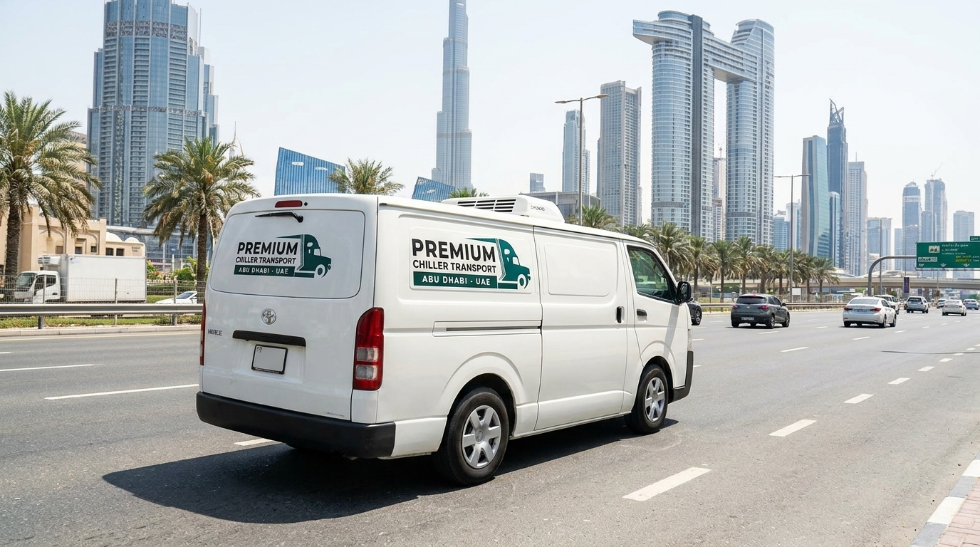
Moving food around Dubai isn’t a free-for-all. Because a broken cold chain is a genuine public-health risk — especially in this climate — the authorities set clear expectations for how food is transported, and they inspect against them. If you run a restaurant, a catering business, a grocery or any operation that delivers food, these rules apply to you.
Read this first
This is a plain-English overview to help you understand the shape of the requirements — not a substitute for the official regulations, which are updated over time. Always confirm the current, exact rules and any permit steps with Dubai Municipality (and the relevant authority in your emirate) before you rely on them. Your own permit and licence details go here: [food transport permit no. / licensing details].
Why food transport is regulated
The logic is simple. Food that leaves a kitchen or store safe can become unsafe on the road if it’s carried at the wrong temperature, in a dirty vehicle, or alongside things it shouldn’t touch. In a city where summer air sits above 45 °C, an unrefrigerated delivery can move perishable food into the bacterial danger zone within a short drive. The rules exist to close that gap — and the businesses that treat them as a baseline, not a burden, tend to be the ones buyers trust.
Vehicle requirements
The broad expectations for a food transport vehicle are consistent and sensible:
- Closed and dedicated. Perishable and ready-to-eat food should travel in a closed, clean compartment — not an open pickup bed exposed to sun, dust and contamination.
- Refrigerated for perishables. Chilled and frozen foods require active temperature control — a refrigerated van or truck, not merely an insulated box.
- Food-safe interior. Surfaces that contact or surround food should be smooth, cleanable and non-contaminating.
- Separation. Food must be kept apart from anything that could contaminate it — chemicals, cleaning products, non-food cargo, and raw from ready-to-eat where relevant.
Temperature requirements
This is the heart of it. Perishable food has to be held within its safe band for the whole journey:
- Chilled food — kept cold, typically in the 0–8 °C range (many operators work to 5 °C or below for high-risk items).
- Frozen food — kept frozen, at around −18 °C.
- Hot food — where carried hot, kept above the hot-holding threshold rather than allowed to drift into the danger zone.
The practical takeaway: match the vehicle to the food (see chiller vs freezer van), pre-cool it before loading, and keep the temperature steady don’t let it lapse during long stops or repeated door openings. Being able to show that the temperature is held via monitoring is increasingly expected for higher-risk and audited supply.
Hygiene and handling
Clean vehicle, clean practice:
- Vehicles and food-contact surfaces cleaned and sanitised regularly.
- Food properly covered and packaged, protected from cross-contamination.
- Drivers and handlers following basic food-hygiene practice.
- No carrying food alongside pesticides, cleaning chemicals or other hazards.
Permits and inspection
Commercial food transport in Dubai generally sits within a licensing and permit framework, and vehicles can be inspected. Requirements and processes are set and updated by the authority, so the specifics — which permits apply to your activity, how they’re obtained, and what an inspector checks — should be confirmed directly with Dubai Municipality’s food safety function. Non-compliance can carry penalties, so it’s worth getting right rather than guessed.
How to stay on the right side
You don’t need to memorise the rulebook to run a compliant operation. In practice it comes down to a handful of habits:
- Use proper refrigerated vehicles for perishable food, pre-cooled before loading.
- Hold the right temperature for each food type, and keep it steady on the road.
- Keep vehicles clean and food covered and separated.
- Keep temperature records where your buyers or an audit expect them.
- Confirm and maintain the correct permits with the authority.
Renting a properly specified refrigerated vehicle takes a large chunk of this off your plate — the vehicle side of compliance is essentially handled when the van is right, pre-cooled and monitored.
Compliance, condensed
- Perishable food needs a closed, clean, refrigerated vehicle — not an open or merely insulated one.
- Hold chilled at 0–8 °C and frozen at around −18 °C, steadily, the whole way.
- Keep vehicles clean, food covered and separated, and records where audited.
- Confirm the current rules and permits directly with Dubai Municipality — they update over time.
Where to next
Related services & guides
Compliant vehicles and the sectors this matters most to.
Refrigerated van rentalCompliant, pre-cooled vans
Vans for restaurantsHORECA cold delivery
Retail cold deliveryGrocery & FMCG
Cold chain logisticsMonitored, end-to-end
Transport frozen foodFrozen, done right
Chiller vans in DubaiLocal coverage
Need compliant food transport in Dubai?
Closed, clean, pre-cooled refrigerated vans and trucks that hold the right temperature — with monitoring when your buyers or an audit need proof.
FAQ
Dubai food transport rules — FAQ
Q: Do I need a special vehicle to deliver food in Dubai?
Perishable food should be carried in a closed, clean vehicle, and chilled or frozen food needs an actively refrigerated one — not an open bed or merely insulated box. Confirm the exact requirements for your activity with Dubai Municipality.What temperature must food be transported at in Dubai?Do I need a permit to transport food in Dubai?Are these rules the same in other emirates?
Q: What temperature must food be transported at in Dubai?
Chilled food is generally kept in the 0–8 °C range and frozen food at around −18 °C, held steadily throughout the journey. Hot food, where carried hot, must stay above the hot-holding threshold.
Q: Do I need a permit to transport food in Dubai?
Commercial food transport typically sits within a licensing and permit framework set by the authority, and vehicles can be inspected. Confirm which permits apply to your activity, and how to obtain them, directly with Dubai Municipality’s food safety function.
Q: Are these rules the same in other emirates?
The principles — refrigerated, clean, separated, temperature-controlled transport — are broadly similar across the UAE, but the specific regulations and permits are set per emirate. Check the requirements with the relevant local authority where you operate.
Contact
+971 503195236